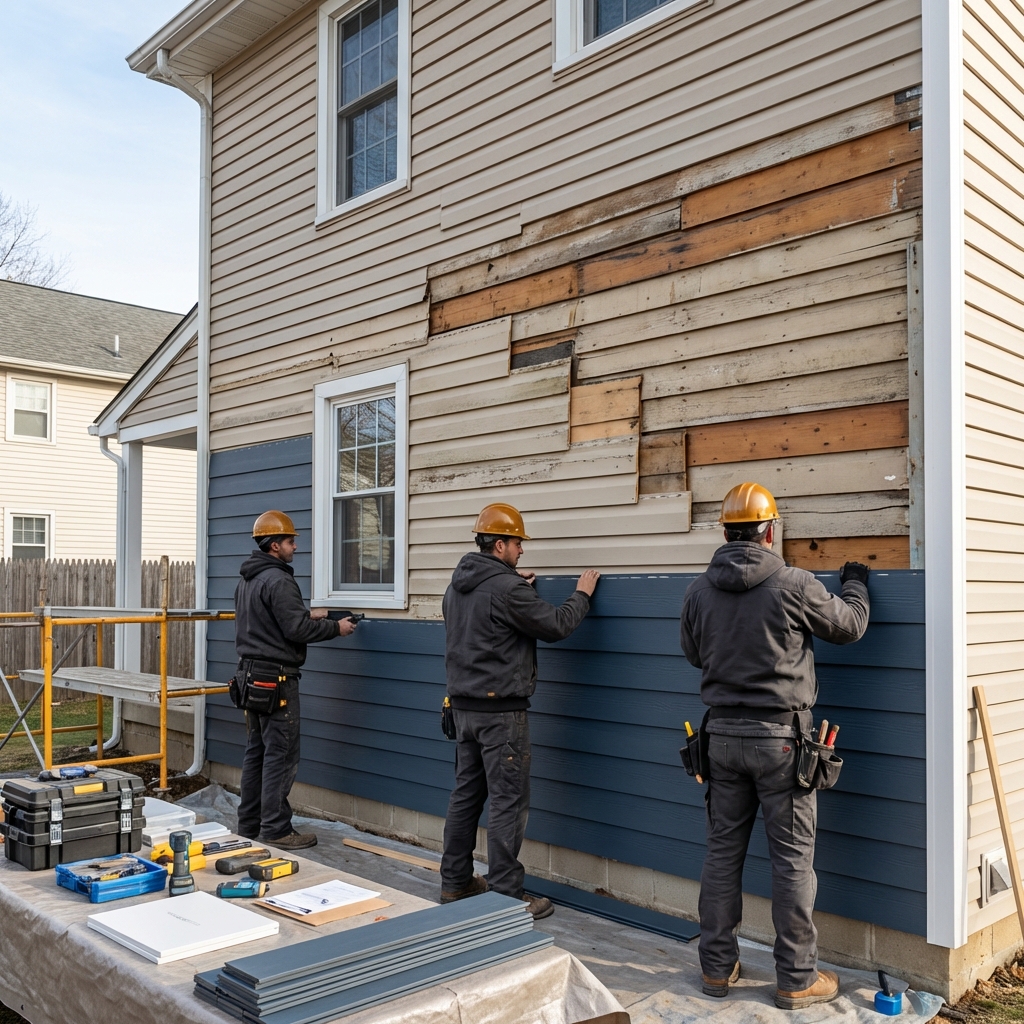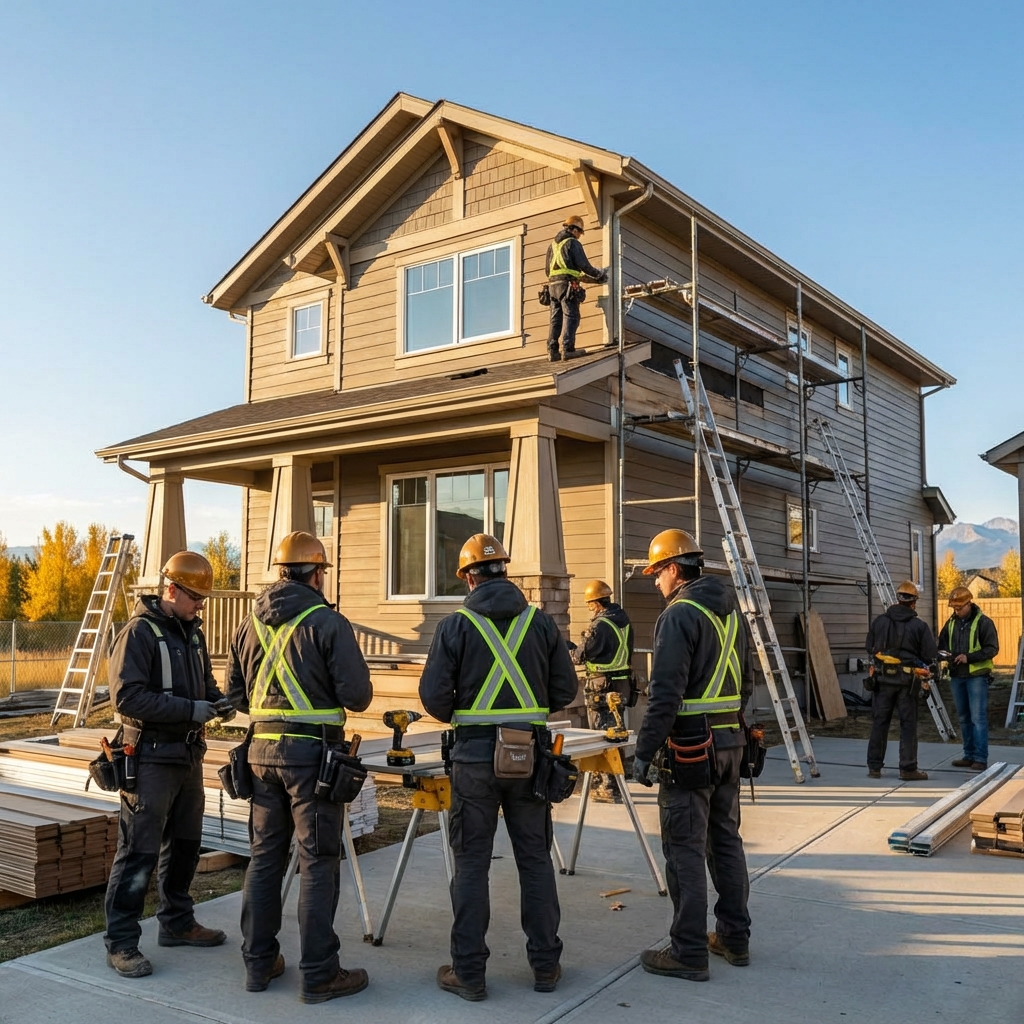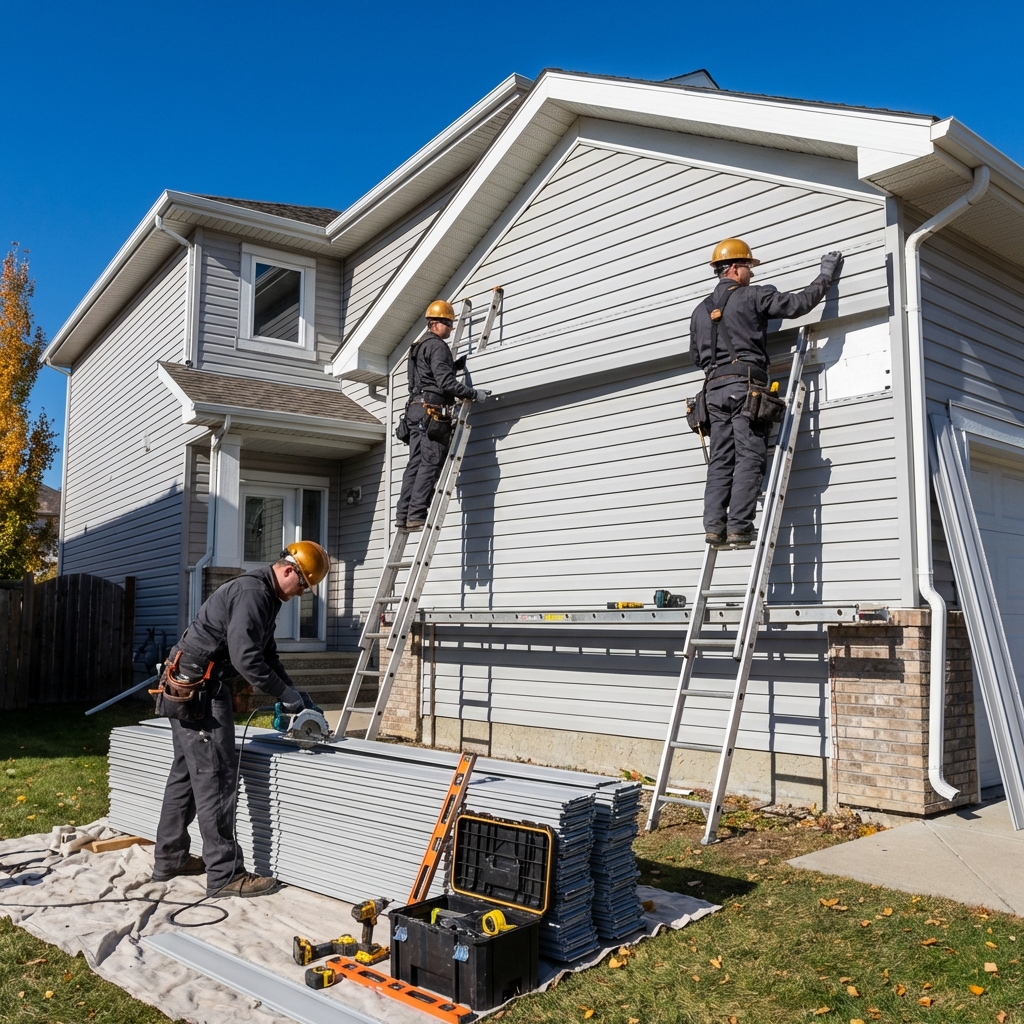
Your siding installation starts before the crew pulls into the driveway. A well-prepared home means the project starts faster, runs more efficiently, and wraps up with fewer disruptions. Here’s everything to do in the days before and on the morning of your siding installation.
2 Weeks Before: Coordinate and Confirm
Confirm the project scope in writing. Before work starts, you should have a signed written contract specifying the product, colors, scope, and payment schedule. If you haven’t received this, request it now.
Discuss any concerns with your contractor: Are there specific landscaping features to protect? Specific areas of the house where you’ve noticed previous problems (moisture, rot)? A pre-project conversation prevents miscommunication on the job.
Notify your neighbors. A quick knock on the door or note in the mailbox goes a long way. Let them know approximately when work will start, how many days it’s expected to take, and who to call (your contractor’s number) if they have concerns.
The Week Before: The Clearance Checklist
Exterior Clearance (3–4 Metres From All Walls)
Move or remove:
- Patio furniture, tables, chairs, fire pits, and storage
- Potted plants and hanging baskets
- Children’s toys, play equipment, bikes, and outdoor equipment
- Hoses and reel systems
- Satellite dishes that can be safely removed (confirm with contractor)
- Outdoor decorations and doormats
What you can’t easily move: Established garden beds, large planters, and mature shrubs. For these, communicate their location to the crew lead and ask how they plan to protect and work around them.
Vehicle Clearance
Plan to have all vehicles moved out of the driveway and away from the house perimeter by crew start time each morning. Material delivery vehicles may need driveway access, and work vehicles will be parked nearby.
Access Routes
Ensure clear gate access to all areas of the property. Side gates, backyard access, and any storage areas where the crew might stage materials should be unlocked and clear.
The Day Before: Interior Preparation
Remove wall-mounted items on exterior walls inside the house. Siding installation creates vibration that can shake pictures, shelves, and mirrors off interior walls on the exterior of the house. Take down:
- Picture frames and wall art on exterior walls
- Decorative shelves and any items displayed on them
- Mirrors hung on exterior walls
- Light fixtures that might vibrate loose
Disconnect or cover exterior speakers. If you have outdoor speaker or lighting systems attached to the exterior siding, discuss removal and reinstallation with your contractor before work starts.
Morning of Installation Day 1
Clear pets from the exterior. Pets should be inside on installation days. Siding crews use nail guns, carry large materials, and have multiple people moving around the exterior — not a safe environment for dogs or cats.
Be present for the crew arrival and walkthrough. On day one, plan to be home when the crew arrives. A brief 10-minute walkthrough with the crew lead lets you:
- Confirm scope and any specific instructions
- Point out landscaping or exterior features you want protected
- Exchange direct contact information with the crew lead
- Note anything you want photographed before removal (existing trim details, specific features to replicate)
During the Project
Stay accessible by phone. The crew may discover unexpected conditions (rotted sheathing, missing house wrap, damaged framing) that require your decision on additional scope. Having a phone that’s answered during work hours prevents project delays and keeps you informed in real time.
Daily walkthrough at end of each work day. Take a few minutes each evening to walk the perimeter and review the day’s progress. Note anything that looks unexpected and raise it with the crew lead the following morning. Small issues are far easier to address during installation than after project completion.
Protect interior traffic. Crews will use ladders and scaffolding close to windows — this doesn’t require any interior preparation, but be aware that some vibration and noise will be noticeable inside the house. Particularly sensitive equipment (musical instruments, certain electronics) might warrant moving away from exterior walls during the project.
Final Day: Completion Walkthrough
Do not make the final payment until you have walked the entire exterior with the crew lead and are satisfied with the work.
During your final walkthrough, check:
- Panel alignment: Are panels level and consistent from course to course?
- Corners and trim: Flush fit, no gaps, no visible gaps between J-channel and panels
- Window and door trim: Properly seated, caulked where required
- Soffit and fascia (if included): Clean, consistent, no gaps at the roofline
- Cleanup: All debris removed, no nails or fasteners left in the yard, dumpster or disposal container removed
- Documentation: Receive all product documentation, color codes, and warranty information before the crew leaves
A thorough final walkthrough protects you and gives the contractor the opportunity to address any items before the job is considered complete.
King’s Land Siding walks every completed project with the homeowner before considering a job done. We’re based in Calgary and stand behind our work. Call (403) 555-0190 or get your estimate online.